

Restoring Function. Rebuilding Foundations.
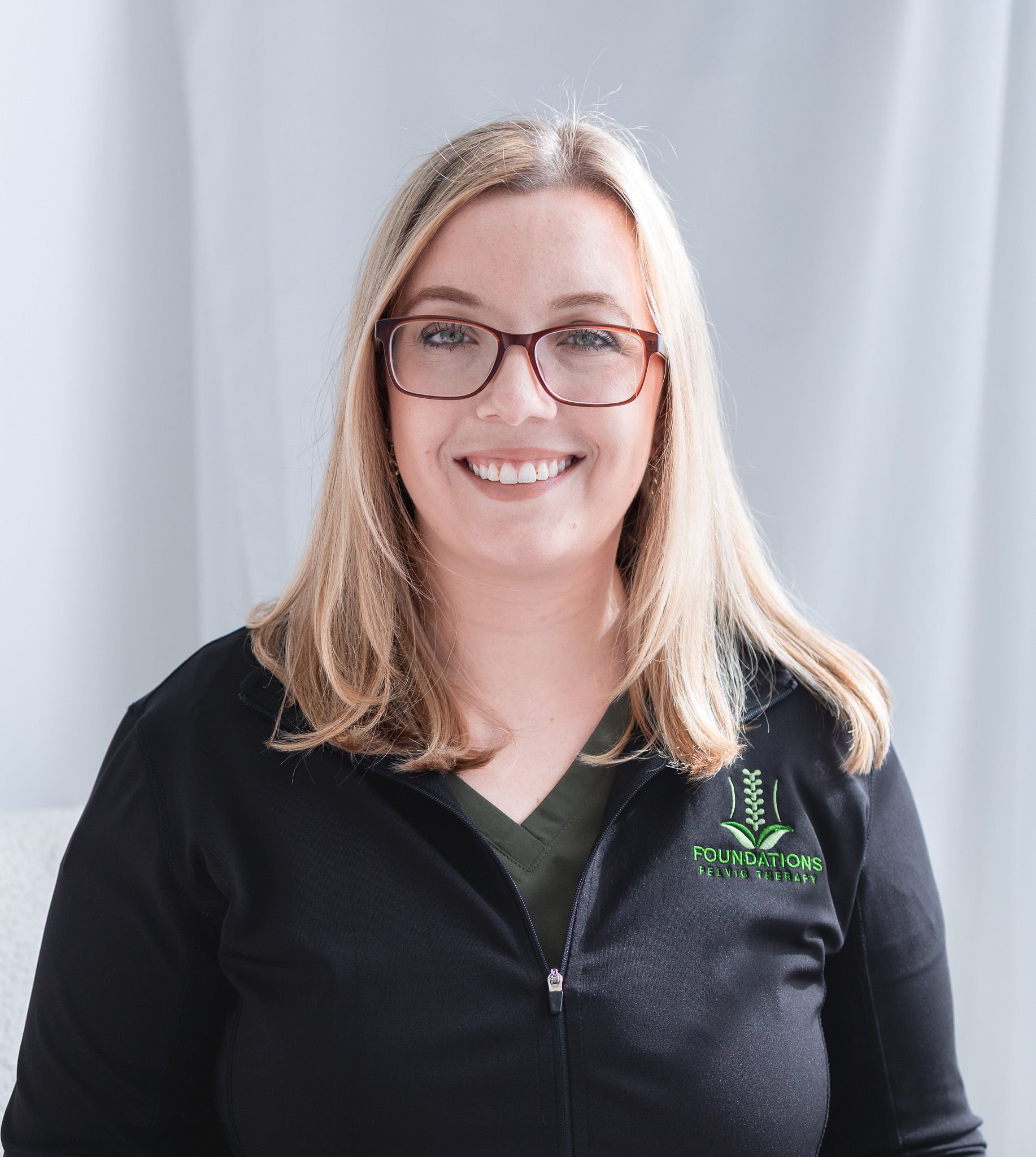
Alexa Allgeier, OTR/L
Hi, I’m Alexa, an Occupational Therapist and Pelvic Health Practitioner with over 7 years of clinical experience helping individuals reconnect with their bodies and restore confidence in their daily life.
I’ve completed extensive pelvic health training through Herman & Wallace Pelvic Rehabilitation Institute, the Lindsay Vestal Functional Pelvic Health Practitioner program, and specialized coursework in care for clients with both male and female anatomy, allowing me to support a wide range of clients and pelvic health needs.
As an Occupational Therapist, I bring a holistic, biopsychosocial approach—addressing not just your physical symptoms, but the emotional, social, and lifestyle factors that your pelvic health can impact. My goal is to collaborate with each person to understand their unique story and focus on what truly matters to them—whether that’s returning to activities they love, improving intimacy, or simply feeling at home in their body again.

You don’t have to live with pelvic floor symptoms — and you don’t have to figure them out alone.
Pelvic floor issues can feel confusing, embarrassing, or isolating. Many people wait months or years before seeking help because they’re told their symptoms are “normal,” “just part of being a mom,” or “something you have to live with.”
At Foundations Pelvic Therapy in Chagrin Falls, you’ll find a warm, private, judgment‑free space where your comfort comes first. We take a whole‑body, trauma‑informed approach that helps you understand what’s going on and feel supported every step of the way.
You deserve relief, confidence, and comfort in your own body.
WHAT CONDITIONS WE ADDRESS
Leaking (Stress Incontinence)
Leaking when you sneeze, laugh, run, or lift is incredibly common — but it’s not something you have to just live with. It’s usually a sign that your pelvic floor and core aren’t coordinating the way they should. These patterns can be retrained gently and effectively.
What we help with
Leaking with sneezing, laughing, coughing
Leaking during workouts or running
Leaking when lifting or bending
“Just‑in‑case” bathroom trips
Feeling like you can’t trust your bladder
Pain with Intimacy
Pain during intimacy is never something you have to push through. It’s often related to pelvic floor tension, scar tissue, hormonal changes, or nervous system overwhelm — and all of these can be treated gently and respectfully.
What we help with
Pain with penetration
Burning or sharp pain
Pain after childbirth
Pain related to menopause
Deep or “tight” pelvic pain
Pelvic Heaviness / Prolapse Symptoms
A feeling of heaviness, pressure, or “something falling out” can be scary — but it’s more common and more treatable than most people realize. Pelvic floor therapy can help you feel supported, strong, and confident again.
What we help with
Heaviness or pressure in the pelvis
Symptoms that worsen at the end of the day
Bulging sensations
Postpartum prolapse symptoms
Exercise‑related heaviness
Constipation & Straining
Constipation isn’t just a gut issue — the pelvic floor plays a major role. If the muscles aren’t relaxing well, bowel movements can feel difficult, incomplete, or painful. Therapy can help restore ease and comfort.
What we help with
Chronic constipation
Straining
Painful bowel movements
Incomplete emptying
Pelvic pain related to constipation
Postpartum Recovery
Your body has been through so much — and you deserve support that honors that. Whether you had a vaginal birth or a C‑section, pelvic floor therapy helps you reconnect with your core, rebuild strength, and feel like yourself again.
What we help with
Core weakness
Diastasis recti
Leaking
Pain with intimacy
Heaviness or prolapse symptoms
C‑section scar discomfort
Urgency & Frequency
Feeling like you always need to pee — or rushing to the bathroom “just in case” — can take over your day. Pelvic floor therapy helps retrain the bladder, calm urgency, and restore confidence.
What we help with
Frequent bathroom trips
Sudden, strong urges
Waking at night to pee
“Just‑in‑case” habits
Bladder anxiety
Tailbone Pain (Coccydynia)
Tailbone pain can make sitting, driving, or even relaxing feel impossible. It’s often related to pelvic floor tension, posture, or past injury — and it responds very well to therapy.
What we help with
Pain when sitting
Pain after childbirth
Pain with bowel movements
Tailbone pain during intimacy
Pain after a fall
Hip, Pelvic, or Low Back Pain
The pelvic floor is deeply connected to the hips, core, and low back. When one area is struggling, the others often compensate. A whole‑body approach helps restore balance and reduce pain.
What we help with
Deep pelvic pain
Hip tightness or pinching
Low back pain
Pain with movement or exercise
Pain that feels “mysterious” or hard to describe
Diastasis Recti
A separation in the abdominal muscles is common — especially postpartum — and it’s absolutely treatable. Therapy helps rebuild core coordination and strength in a safe, sustainable way.
What we help with
Doming or coning
Core weakness
Back pain
Difficulty lifting or exercising
Postpartum recovery
Pregnancy Support
Pregnancy changes everything — your posture, your core, your breath, your pelvic floor. Therapy helps you stay comfortable, mobile, and confident throughout your pregnancy.
What we help with
Pelvic pain
Back or hip pain
Round ligament discomfort
Preparing the pelvic floor for birth
Breathing and pushing strategies
You deserve to feel comfortable, confident, and supported in your body.
Pelvic floor therapy is gentle, effective, and tailored to your unique needs. Whether your symptoms are new or something you’ve lived with for years, healing is possible.
Our Services
Comprehensive Evaluation
Includes a comprehensive, one-on-one assessment focused on understanding the factors contributing to your pelvic health concerns. We’ll review your intake paperwork, discuss your medical history, lifestyle, and symptoms, then assess posture, breathing, and pelvic floor muscle function.
This session helps identify areas of weakness, tension, or habits affecting your pelvic health. Together, we’ll develop a personalized treatment plan and home program to support your goals. All evaluations are conducted in a private, comfortable setting, with your consent and comfort prioritized at every step.
Please don't hesitate to book a pelvic floor evaluation for fear or anxiety of an internal assessment. If you are uncomfortable with internal pelvic floor work, there are multiple other options we can explore to get you the care that you need.
Follow Up Treatments
Each individual treatment is personalized to your specific needs and goals. Sessions may include education on pelvic health, guided exercises to improve strength and coordination, manual therapy for muscle tension or pain, and strategies to support healthy bladder, bowel, and movement habits.
Treatment focuses on restoring comfort, improving function, and helping you confidently return to the activities that matter most. Every session is collaborative and guided by your feedback to ensure comfort and progress at your own pace.

Investment
You deserve care that’s tailored to your unique needs, not limited by preset visit counts or generalized coverage guidelines.
After working in several traditional healthcare settings, I’ve seen firsthand how insurance-driven systems can limit both patients and providers. When care is dictated by insurance requirements—such as visit limits, diagnostic codes, or “medical necessity” definitions—it often prevents us from addressing the whole person and the root causes of your symptoms. Too often, I found myself forced to focus on checkboxes and productivity metrics rather than what truly mattered to my patients.
In my private practice, I’ve chosen to step outside that system so that I can offer care based on your goals, your pace, and your priorities—not the restrictions of a third party.
By not accepting insurance:
We can spend quality time together during each session, without rushing.
Treatment plans are personalized, not standardized.
We can address all aspects of your health—physical, emotional, and lifestyle—without needing to justify each step to an insurance adjuster.
You are an active participant, not a number on a billing form.
While I do not bill insurance directly, I am happy to provide a superbill that you can submit to your insurance company for potential out-of-network reimbursement.
For your convenience, I accept cash, HSA/FSA cards, and all major credit cards.
Your care should be guided by what supports your healing—not limited by what’s covered under insurance.
**I value every patient who reaches out to me. At this time, federal CMS regulations prevent me from accepting private pay clients who have Medicare as a primary insurance. I truly appreciate your understanding and I would be happy to help you find a pelvic health practitioner who can accept your insurance.
Restoring Function. Rebuilding Foundations.
We’re so glad you’re here. Booking your first appointment is a powerful step toward healing, strength, and confidence. Whether you’re navigating pelvic pain, postpartum recovery, preparing for or hoping to avoid surgical interventions or just want to feel more connected to your body, I’m here to support you with expert care and compassion. Choose a time that works for you—we’ll take care of the rest.
Booking
FAQs
-
We get it, paying privately can seem silly when you have insurance. I encourage you to find out what therapy coverage is with your insurance plan. May find that paying out of pocket is the same cost, if not less, than if they used their insurance coverage. Plus, you typically get more time and 1:1 care.
Initial evaluations are $200 (60-90 minute session). Followup treatment sessions are $140 (45-60 minutes).
-
Not necessarily. Ohio is a direct access state, which means you can begin pelvic floor therapy without a doctor’s referral or prescription.
However, there are a few situations where a doctor’s note may be helpful or required:
If you are pregnant and wish to participate in an internal exam, written permission from your provider is required.
If you are within 6–12 weeks of surgery or labor, a referral or clearance note may be requested to ensure your safety.
If you plan to submit a superbill to your insurance for potential reimbursement, having a doctor’s script can sometimes improve your chances of coverage.
Otherwise, you can start therapy without any additional paperwork.
-
Kegels only help if your pelvic floor muscles are weak, and if your’re doing them correctly (a lot of people are not) Many people actually have tight or overactive muscles that need relaxation, not strengthening. Pelvic floor therapy is personalized to your body’s needs and may include breathwork, manual techniques, posture training, and more. It’s about restoring proper function, not just doing exercises.
Trying to fix things on your own can be frustrating and confusing. I’m here to guide you with evidence-based care, education, and support every step of the way.
-
Not necessarily. While internal pelvic floor exams can provide valuable information, they are never required and are only performed with your full consent. There are many important aspects of pelvic health that can be addressed before considering internal work—such as posture, breathing, movement patterns, and muscle coordination.
If an internal exam is recommended, you have several options:
A fully clothed assessment, where we focus on external observation and movement.
A guided self-assessment, where the therapist talks you through what to notice without any direct contact.
An external-only exam, which can be done with or without touch, depending on your comfort level.
Your comfort, safety, and readiness are always the top priority. We’ll discuss all options together so you can make an informed choice about what feels right for you.
-
Just come as you are—no special clothing or preparation needed. The most important step is completing your intake paperwork. This gives me the information I need to tailor your care from the very start. If your paperwork isn’t submitted at least 24 hours before your appointment, I’ll need to reschedule so I can dedicate the right amount of time to prepare for you. Your care deserves that level of attention.
-
The number of treatment sessions varies for each individual based on the complexity of their condition and the amount of time they are able to dedicate to their home exercise program between sessions. In general, patients can expect to plan for approximately six weeks of treatment. Sessions may be added or reduced depending on how each patient feels and progresses throughout their therapy.
-
Yes, absolutely. Menstruation is a normal part of life, and nothing about it will make your therapist uncomfortable. In fact, attending your session while on your period can sometimes be helpful—especially if you experience pain or discomfort during menstruation. Assessment during menstruation can provide valuable insight into your symptoms and help guide your treatment.
-
Yes, you’re always welcome to bring a partner or support person to your session. Patients are also offered a chaperone at any time. Having a partner present can be very beneficial—especially if they’re learning techniques to support your care and help with carryover outside of therapy.
-
Your first visit at Foundations Pelvic Therapy is all about getting to know you. We’ll start with a thorough conversation about your intake paperwork, health history, and goals. Then, we move onto assessment. This includes assessment of how your pelvic floor, posture, and movement patterns are working together. If appropriate, we can move to an internal assessment. If this isn’t comfortable, I have several other options I can provide you. You’ll leave with a personalized plan and a clear understanding of your next steps—no surprises, just support.